EUREKA!
EUREKA!
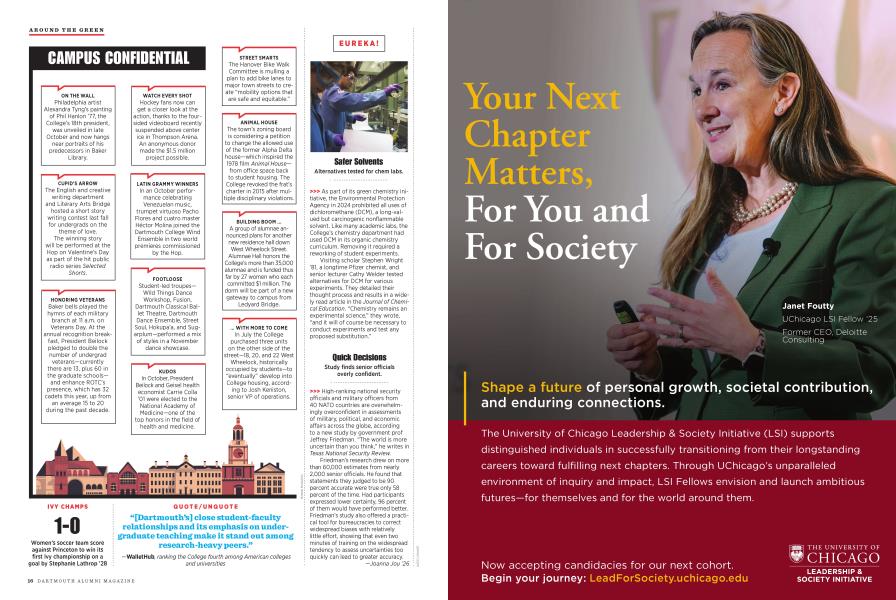
Safer Solvents
Alternatives tested for chem labs.
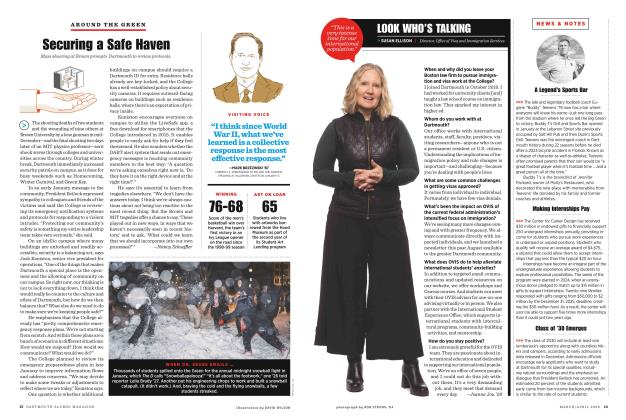
As part of its green chemistry initiative, the Environmental Protection Agency in 2024 prohibited all uses of dichloromethane (DCM), a long-valued but carcinogenic nonflammable solvent. Like many academic labs, the College’s chemistry department had used DCM in its organic chemistry curriculum. Removing it required a reworking of student experiments.
Visiting scholar Stephen Wright ’81, a longtime Pfizer chemist, and senior lecturer Cathy Welder tested alternatives for DCM for various experiments. They detailed their thought process and results in a widely read article in the Journal of Chemical Education. “Chemistry remains an experimental science,” they wrote, “and it will of course be necessary to conduct experiments and test any proposed substitution.”
Quick Decisions
Study finds senior officials overly confident.
»> High-ranking national security officials and military officers from 40 NATO countries are overwhelmingly overconfident in assessments of military, political, and economic affairs across the globe, according to a new study by government prof Jeffrey Friedman. “The world is more uncertain than you think,” he writes in Texas National Security Review.
Friedman’s research drew on more than 60,000 estimates from nearly 2,000 senior officials. He found that statements they judged to be 90 percent accurate were true only 58 percent of the time. Had participants expressed lower certainty, 96 percent of them would have performed better. Friedman’s study also offered a practical tool for bureaucracies to correct widespread biases with relatively little effort, showing that even two minutes of training on the widespread tendency to assess uncertainties too quickly can lead to greater accuracy.
Joanna Jou ’26

More From This Issue
-
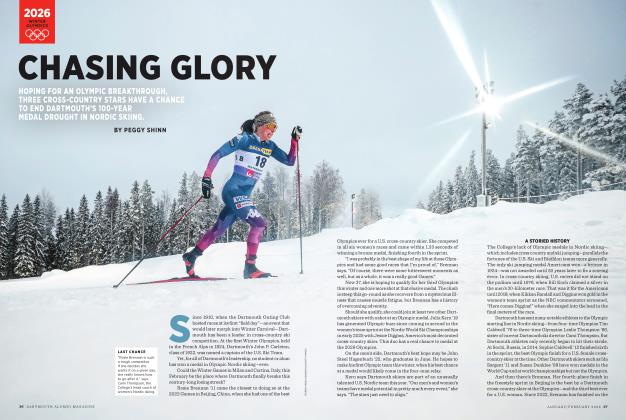 2026 WINTER OLYMPICS
Chasing Glory
JANUARY | FEBRUARY 2026 -
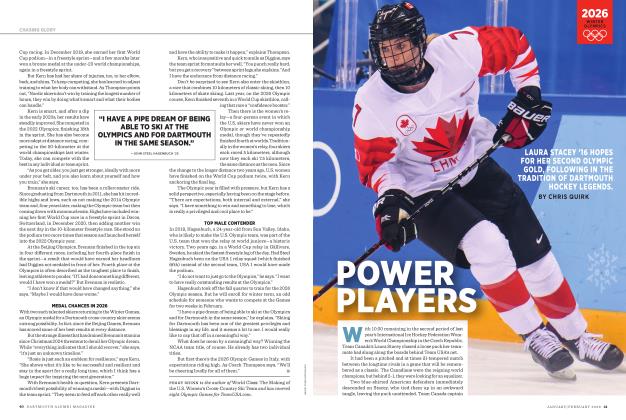 2026 WINTER OLYMPICS
Power Players
JANUARY | FEBRUARY 2026 -
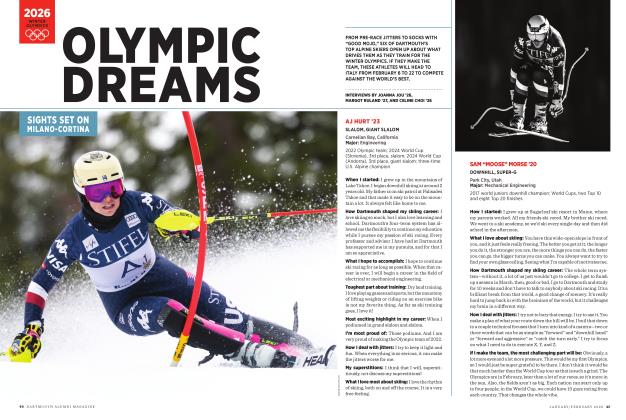 2026 WINTER OLYMPICS
Olympic Dreams
JANUARY | FEBRUARY 2026 -
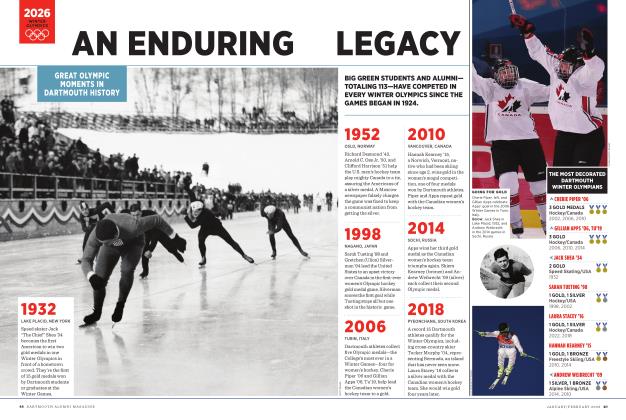 2026 WINTER OLYMPICS
An Enduring Legacy
JANUARY | FEBRUARY 2026 -
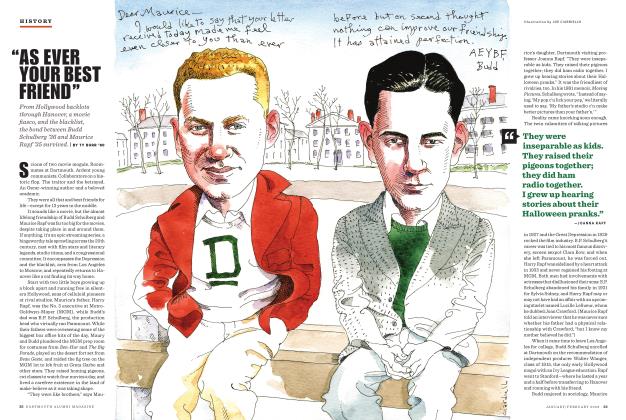 HISTORY
“As Ever Your Best Friend”
JANUARY | FEBRUARY 2026 -
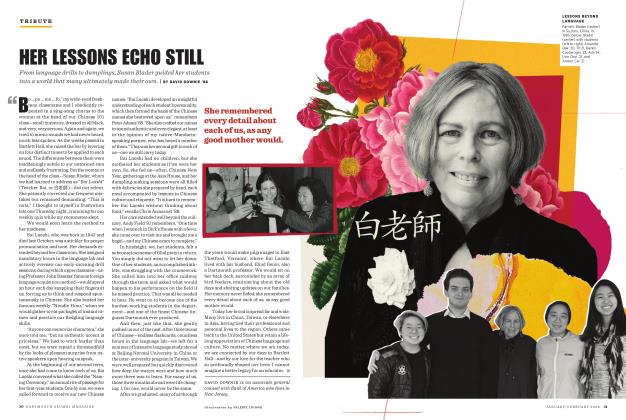 TRIBUTE
Her Lessons Echo Still
JANUARY | FEBRUARY 2026